15 Conference Swag Ideas People Actually Keep
Fresh conference swag ideas that turn giveaways into attendee experiences, with practical guidance on personalization, quality, speed, and event fit today.
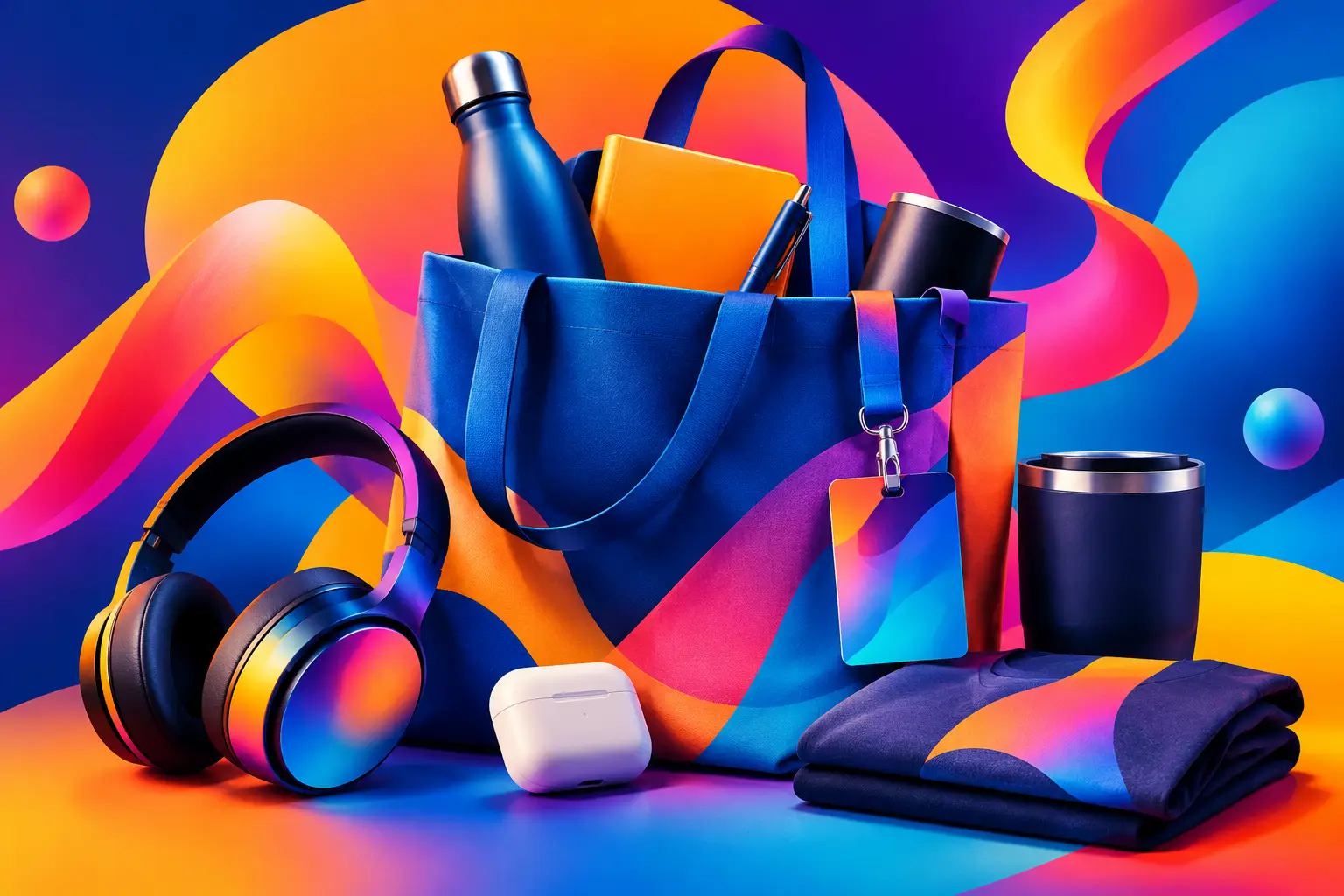
A crowded expo hall is a brutal place for a branded pen. Attendees collect it, drop it into a tote with six identical pens, and forget which company handed it over before lunch. The best conference swag ideas work differently: they create a reason to stop, participate, photograph, and leave with something that feels earned rather than distributed.
That shift matters for senior event teams. A giveaway table can check a box. An experience can build a line, create content, extend sponsor visibility, and put a retail-quality item into the hands of the people you most want to remember you. The question is not, “What can we put a logo on?” It is, “What will this audience choose to keep?”
Start with the job your swag needs to do
Not every conference calls for the same merchandise. A developer conference may reward clever utility and inside jokes. A leadership summit may call for refined, useful travel goods. A consumer-facing trade show might need high visual impact and a product that travels well on social. Before choosing an item, define the activation's primary job: drive booth traffic, create sponsor value, reward a product demo, collect opt-ins, launch a campaign, or give VIPs a memorable takeaway.
Then pressure-test the idea against the realities of the floor. How long can an attendee wait? Will they carry the item all day? Does the venue have loading constraints? Are you trying to serve 200 people or 5,000? Premium does not always mean expensive, but it does mean intentional. A well-designed heavyweight tote can outperform a cheap jacket if it fits the audience, the moment, and the production plan.
15 conference swag ideas with real staying power
1. On-demand AI-designed T-shirts
Give attendees creative control over a branded visual system, then print their design live. They might choose a prompt, style, location reference, or campaign theme while your guardrails keep every result on-brand. The difference is ownership: a shirt they helped create is far more likely to be worn than a shirt pulled from a size run.
For high-throughput events, speed is non-negotiable. A live print workflow that produces a finished item in under 30 seconds can keep the energy high without turning your booth into a holding pen.
2. Premium tote bags with a personal twist
Totes remain conference staples because they solve an immediate problem: attendees need somewhere to put everything else. The stale version is a thin bag with a logo. The better version is a durable canvas tote with a live-generated graphic, custom event city artwork, or attendee-selected design direction.
Use this when you need broad distribution and visible branding beyond the booth. The trade-off is that a tote is more common, so the material, print placement, and creative concept have to work harder.
3. Custom posters worth framing
A poster station brings the visual drama of an art print to the event floor. Attendees can generate a futuristic portrait, campaign-inspired illustration, or event-specific graphic, then watch it print in real time. It is especially effective for tech, design, entertainment, and culture-led conferences where the audience already values visual identity.
Posters are less practical for attendees who are flying with only a backpack. Offer protective sleeves and consider mailing options for VIP or lead-generation moments.
4. Phone cases that become daily media
A personalized phone case gives your campaign an unusually long lifespan. Unlike a lanyard or badge, it stays in an attendee's hand, pocket, and mirror selfie rotation long after the event. Keep the design elevated. A small brand signature integrated into a compelling graphic is more wearable than a giant logo across the back.
Device compatibility can complicate this format. Limit the activation to the most common models, or position it as a pre-event reservation experience so inventory matches registered attendees.
5. Live-printed wood or leather goods
For executive programs, partner summits, and premium sponsor lounges, wood and leather bring texture that feels distinct from standard promotional merchandise. Think luggage tags, notebook covers, valet trays, coasters, or small desk pieces customized with names, initials, or campaign visuals.
These items work best at lower volume, where craftsmanship and personalization matter more than raw reach. They also make a strong case for quality over quantity: fewer products, stronger perceived value, less waste.
6. Event-exclusive artist collaborations
Commission an artist with cultural relevance to your audience and turn their work into a limited event collection. The visual language should feel native to the brand, not like stock art wearing a logo. Live customization can add a second layer, letting each attendee choose colorways, text, or a generated companion graphic.
This approach is powerful when the event itself has a community. It gives people a reason to collect the item and a reason to talk about it afterward.
7. Build-your-own campaign patches
Patches create participation without requiring every item to be fully printed from scratch. Attendees can choose from a curated set of campaign icons, product messages, cities, or achievement markers and apply them to a premium tote, jacket, or notebook. It feels collectible, especially when people can earn access to rare designs.
Avoid too many choices. A tight system of six to 10 strong options keeps decisions quick and the creative direction coherent.
8. Product-demo rewards with a real finish line
If your conference goal is qualified engagement, make the swag part of a journey. Complete a demo, answer a challenge, or build a custom product recommendation, then receive a personalized item based on that interaction. The reward should feel proportionate to the ask. Asking for 20 minutes of a buyer's time in exchange for a stress ball is a bad value exchange.
A personalized tote, poster, or shirt makes the interaction feel less transactional because the attendee leaves with something they actively shaped.
9. City-specific conference designs
Give each host city its own design language. A San Francisco event does not need another generic skyline, and Austin does not need another guitar graphic. Work from neighborhood texture, local visual cues, and the event's point of view to create something attendees cannot get anywhere else.
This strategy is particularly useful for annual conference franchises. It builds a collectible series without repeating last year's merchandise.
10. Team or department editions
At corporate conferences, attendees often want something that represents their group as much as the company. Offer design pathways for sales, engineering, retail, leadership, or regional teams. The product can carry a shared campaign platform while making room for team identity.
The risk is fragmentation. Keep the core artwork and product quality consistent so the collection still reads as one experience.
11. Personalized travel essentials
Travel-heavy audiences appreciate items that earn space in a carry-on: durable luggage tags, packing pouches, compact chargers, passport holders, and high-quality water bottles. Personalization makes these familiar items feel more considered.
This category is practical, but it is also crowded. Do not choose it solely because it is useful. Add a design moment or a personal detail that makes the product feel specific to your event.
12. Small-batch VIP drops
Not every item should be available to everyone. A limited-run premium product can be reserved for speakers, partners, top customers, or attendees who complete a high-value experience. This might be a numbered art print, leather good, or elevated apparel piece.
Exclusivity only works when it feels earned, not arbitrary. Be clear about the pathway to access and protect the quality of the fulfillment experience.
13. Social-first photo-to-product moments
A branded portrait station can transform an attendee photo into a stylized print, shirt, poster, or phone case. The best concepts avoid generic headshot filters. Build a creative world around your product launch, audience identity, or campaign narrative, then let each participant see themselves inside it.
Make sharing optional and easy. The product itself should stand on its own even if an attendee never posts.
14. Repairable, reusable everyday goods
Sustainability claims fall flat when the item is still destined for a hotel-room trash can. Choose products with a clear second life: sturdy bags, refillable drinkware, quality apparel, desk accessories, or modular products that can be used for years. Produce closer to demand when possible, rather than ordering thousands of speculative units.
Environmental responsibility is not a substitute for good creative. It is the baseline for making fewer, better objects.
15. A merchandise studio, not a merch table
The most compelling format may be the environment itself. Turn distribution into a live studio with design screens, visible production, skilled staff, retail-style product display, and a clear attendee flow from prompt to product. This is where generic conference swag becomes an activation.
Live Printing AI builds these experiences around the event brief, audience, brand identity, and production realities, making one-of-one merchandise possible at conference scale. One of infinity - not one of four.
How to choose among conference swag ideas
Start with behavior, not inventory. If the audience needs something useful that can move through a convention center, a premium personalized tote may be right. If you need a crowd magnet, live apparel or posters create more visible energy. If the goal is executive appreciation, a smaller volume of elevated leather or wood goods will likely land better than a large giveaway.
Next, map the attendee journey. A great item can still underperform if the line is unclear, the customization takes too long, or fulfillment feels chaotic. Plan the check-in, creative choice, production queue, pickup, and exit as carefully as you plan the item. Clear signage and trained staff protect the experience when demand spikes.
Finally, decide what success looks like before doors open. Track participation, qualified conversations, dwell time, redemption rate, content captures, product preferences, and post-event use where possible. The strongest conference merchandise is not just memorable. It gives your team evidence that people chose to spend time with the brand.
The next time someone proposes ordering another pallet of logo giveaways, ask a better question: what could attendees make here that they would never find in a catalog?
Ready to run an activation like this?
Start with the AI Product Generator or get a custom quote for your next event.