Personalized Tote Bags for Events That Get Kept
Personalized tote bags for events turn a standard giveaway into a fast, premium on-site creation experience attendees carry long after the event ends.
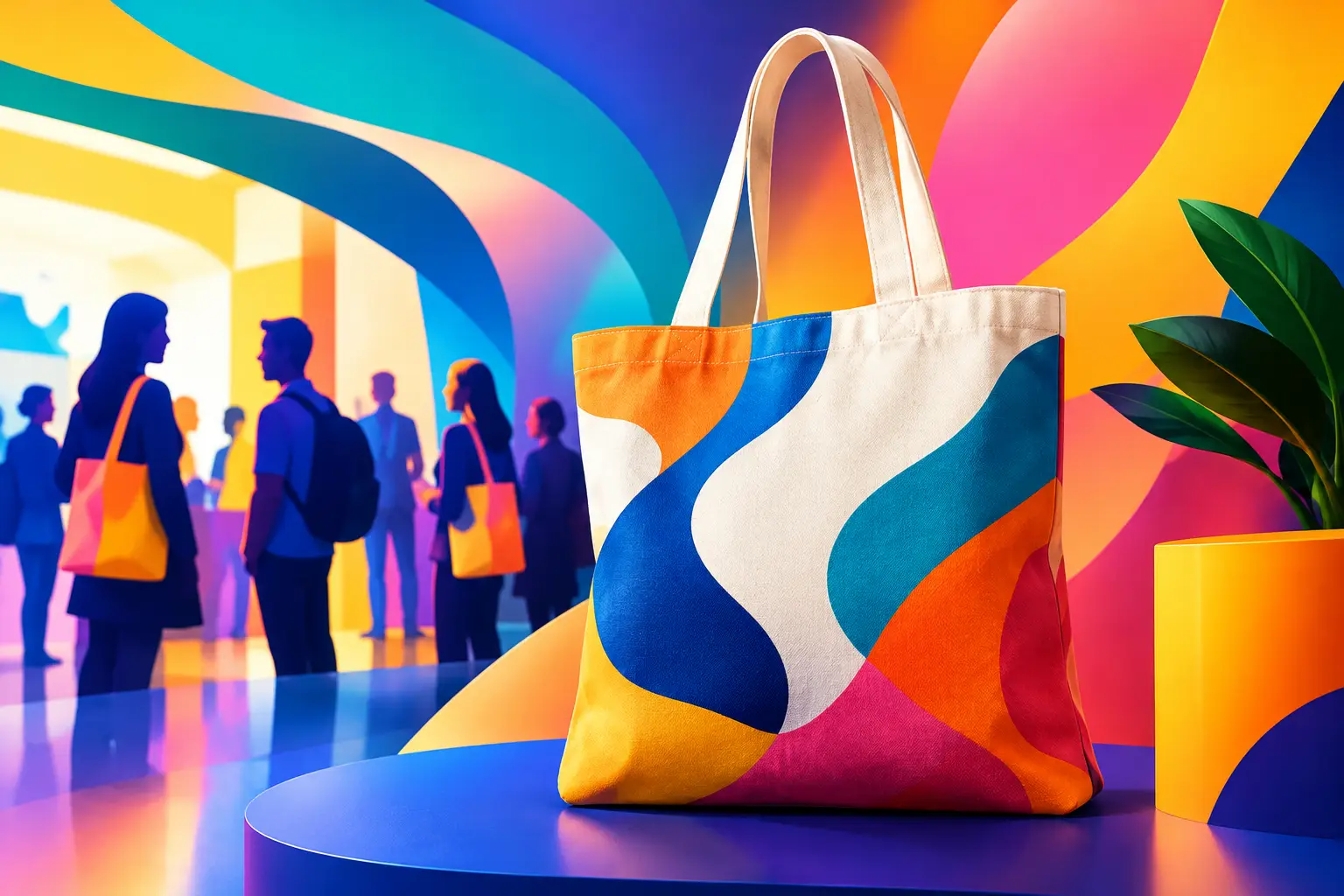
A tote bag is easy to give away. Making someone stop, create, watch, and carry it home is harder. That is the difference between a logo printed on a commodity canvas bag and personalized tote bags for events that become part of the event story.
For senior marketers and producers, the question is not whether a tote is useful. It is whether it can earn attention in a crowded sponsor hall, create a line people want to join, and deliver a product that feels considered rather than leftover. The right live tote activation turns a familiar format into a one-of-one retail moment.
Why personalized tote bags for events outperform standard swag
Pre-produced event merchandise is built on a guess: guess the right quantity, guess the right design, guess what attendees will want. That model creates familiar waste - overstock in storage, generic items abandoned in hotel rooms, and a brand impression that ends at the giveaway table.
Personalization changes the value exchange. An attendee is no longer handed a branded object. They participate in making an object that reflects their taste, prompt, photo, event role, or creative input. Their name might be part of the composition, but the more compelling approach is often a custom visual world built around a campaign idea.
At a conference, that could mean generating a bold editorial-style illustration based on an attendee's professional superpower. At a festival, it may be an AI-created tour-poster graphic with their chosen mood and color direction. At a sports activation, fans can create a graphic that puts their hometown energy or game-day ritual at the center.
The bag becomes useful because it is a tote. It becomes shareable because it is theirs.
The tote format has practical advantages
Totes work especially well when attendees are already collecting materials, moving through an expo floor, or shopping a festival site. They have a large, visible print area and remain visible after the event, whether they are used for groceries, gym gear, commute essentials, or another trade show.
They also sidestep some of the fit and size complexity of apparel. A shirt activation can create a stronger fashion moment, but it requires size planning, inventory management, and a different type of attendee commitment. Tote bags are a more universal choice when throughput, broad accessibility, and portability matter most.
That does not mean every canvas tote is automatically premium. Thin material, weak handles, muddy artwork, and a logo placed without intention can make even a personalized experience feel promotional. The blank, the print method, and the creative system all carry the brand signal.
Build an activation, not a decorated tote table
The best tote experiences begin with the event brief, not a print file. Define what the brand needs the attendee to feel and do. Is the goal lead capture? Social content? Product education? A VIP gift? A reason to visit a quieter booth zone? Those goals affect everything from the design prompt to the line-management plan.
A strong activation usually has three visible moments: creation, anticipation, and fulfillment. Attendees choose or shape a design, see it come to life, and receive a finished product quickly enough that the experience retains momentum. Live Printing AI can produce personalized designs and print premium products on-site in under thirty seconds, which helps keep the interaction energetic rather than turning it into a fulfillment promise for later.
Start with a creative rule, not unlimited options
One-of-one does not have to mean off-brand. In fact, the strongest AI-powered tote activations give attendees freedom within a clearly defined campaign universe.
Create a visual system with approved colors, typography cues, graphic references, and prompt pathways. You might offer three campaign modes rather than an open-ended prompt box: futuristic streetwear, archival travel poster, or surreal editorial portrait. This gives people a sense of authorship while protecting the quality and consistency of the output.
The creative rule should be simple enough to understand at a glance. If a brand ambassador needs two minutes to explain how it works, the experience is carrying too much friction. A good instruction can fit on signage: choose your vibe, add your idea, collect your custom tote.
Design for the print area
A tote has a broad canvas, but it is not a billboard. Visuals need a strong focal point, enough contrast to read from several feet away, and margins that respect seams and handles. Fine text, pale low-contrast graphics, and overly dense compositions may look polished on a screen but lose impact on fabric.
This is where on-site production knowledge matters. The artwork should be configured for the specific bag material, print process, lighting conditions, and viewing distance. A high-end activation does not leave those decisions to chance on event day.
Choose the right tote for the audience and environment
Material choice is not a minor procurement detail. It tells attendees how seriously the brand takes the product they are receiving.
For a design-led product launch or VIP experience, heavier-weight cotton canvas can feel closer to a retail accessory. It holds its shape, supports more graphic impact, and has the durability people expect from an item they will reuse. For high-volume convention distribution, a lighter cotton or recycled blend may better balance budget, packing volume, and speed of handoff.
Recycled materials can support an environmental story, but only when the full activation supports it. A sustainability claim feels thin if the design is disposable, inventory is overproduced, or the bag is unlikely to be reused. Made-to-order production helps reduce the speculative waste built into conventional swag programs: print what people choose, rather than hoping every pre-printed unit finds a home.
Consider the event setting, too. Outdoor festivals need bags that can handle movement, weather variation, and items collected throughout the day. A business conference may call for a cleaner silhouette that attendees are comfortable carrying into meetings. A fashion-forward audience may respond to a less corporate, more expressive bag shape and graphic treatment.
Plan for speed without making the experience feel rushed
Live production is theater. People like seeing a blank product become a finished object. But theater needs timing. A slow line can drain the energy from even the best creative concept.
Estimate demand honestly. A booth expecting 500 qualified attendees across a full day has different production needs than a product launch with a concentrated 90-minute rush. Build staffing and equipment around peak windows, not average traffic. The biggest operational mistake is planning for a comfortable hourly number and then being surprised when the keynote ends and everyone arrives at once.
Use a clear flow: greet, create, confirm, print, hand off. Separate the creation station from the pickup point when volume is high, so people designing are not blocked by people waiting. Display finished examples prominently. They reduce hesitation and give the queue something to talk about.
There is a trade-off between maximum customization and maximum throughput. A free-form creative journey may generate richer outcomes for a smaller VIP audience. For a packed trade show, curated inputs and a fast selection process can preserve the one-of-one feeling while keeping the line moving. Neither model is inherently better. The right one matches the event's traffic pattern and business objective.
Make the bag carry more than a logo
A personalized tote should make a brand recognizable without turning the attendee into unpaid ad space. That balance is what separates cultural merchandise from promotional merchandise.
Use branding as a signature, not a takeover. A restrained logo lockup, campaign mark, or co-branded detail can sit alongside the attendee-generated visual. When the art has enough appeal to stand on its own, the brand benefits from association with something people genuinely want to show.
Think beyond the front panel as well. A small detail on the reverse side, an inside label treatment, or a designed hang tag can make the product feel intentionally finished. These touches are not always necessary, especially at high volume, but they can be powerful for launches, VIP gifting, and sponsor moments where perceived value matters.
Measure what a tote activation actually changes
Bag count is a production number, not a success metric. Track it, but do not stop there. The more useful measures connect the experience to audience behavior: number of creations started, completed, and printed; average dwell time; qualified leads captured with consent; social posts or event mentions; and return visits to the activation.
Qualitative feedback matters, too. Are attendees asking where they can buy the product? Are they comparing designs in line? Are sales teams using the activation as a natural opening for better conversations? Those signals reveal whether the experience is creating real brand energy or simply moving inventory.
A thoughtful post-event review should also show what to change next time. If guests loved the output but hesitated at the prompt screen, simplify the input. If the line became an attraction but lead conversations suffered, add a dedicated engagement role. If a particular creative path dominated, develop it further for the next city or audience.
The goal is not to put more bags into the world. It is to give the right people a product they will reach for again, and a reason to remember exactly where it came from.
Ready to run an activation like this?
Start with the AI Product Generator or get a custom quote for your next event.