How to Plan Interactive Merchandise That Matters
Learn how to plan interactive merchandise that turns event swag into fast, personal, retail-quality moments attendees want to keep and share with intent.
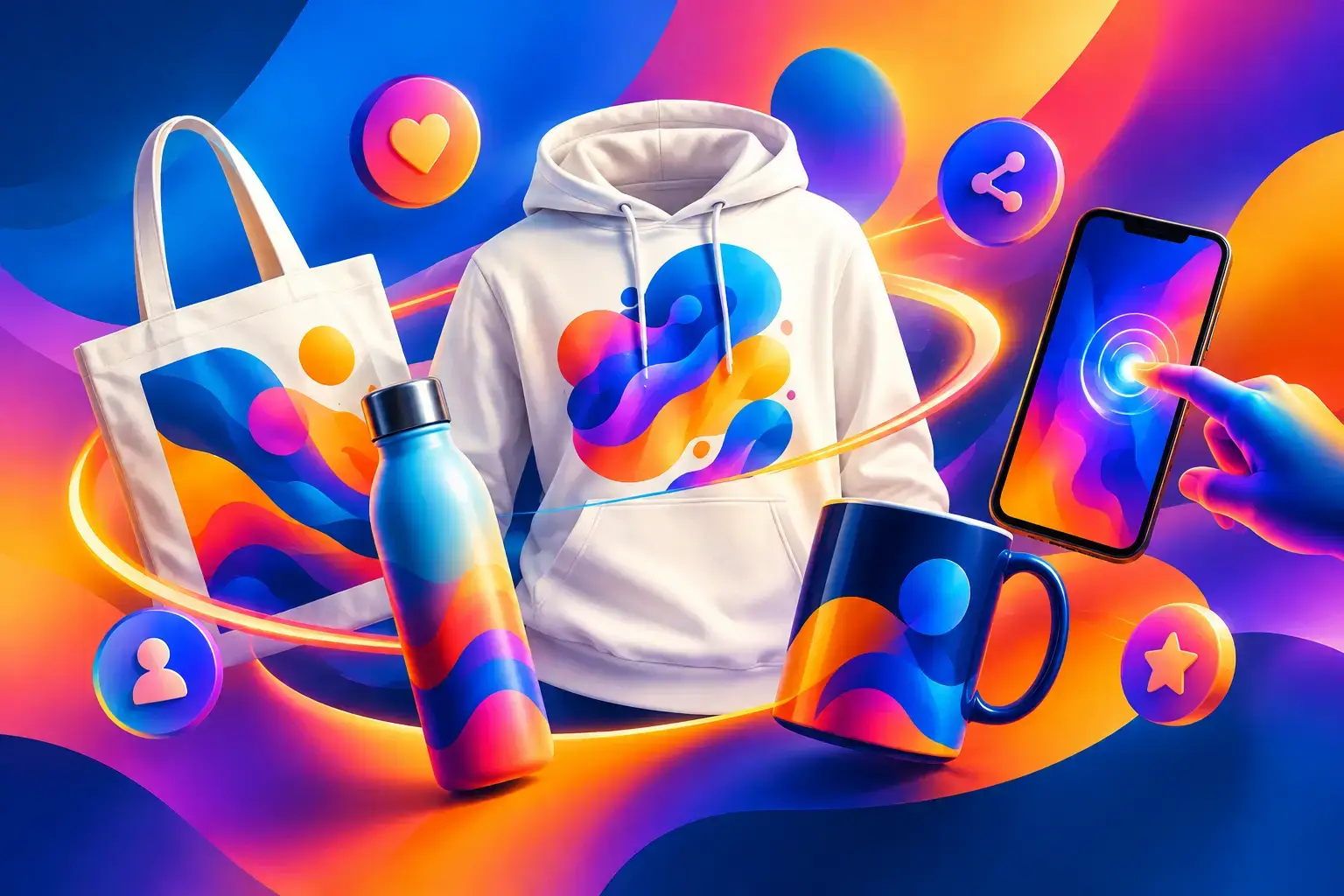
A branded tote bag on a registration table is not an activation. It is inventory waiting to be carried away. When you learn how to plan interactive merchandise, the goal shifts: create a moment attendees can shape, watch, wear, photograph, and remember long after the badge comes off.
That means planning for more than a logo placement and a product count. Interactive merchandise sits at the intersection of experience design, creative direction, live production, and event operations. Get those pieces working together and your brand stops handing out swag. It gives people a one-of-one artifact from an event they actually want to talk about.
Start With the Moment, Not the Merchandise
The strongest activations begin with a clear answer to one question: what should an attendee feel when they leave?
A product launch may call for confidence, discovery, or insider access. A festival partnership may need self-expression and cultural relevance. A trade show booth might need to turn a qualified conversation into a reason to return with a colleague. Those are different jobs, and they should not all produce the same black T-shirt with a logo on the chest.
Write a tight activation brief before choosing products. Define the audience, the event context, the desired behavior, and the brand idea people should take with them. Be specific about what success means. Is it booth traffic? Lead capture? Social content? Sponsor visibility? A premium thank-you for a smaller VIP group? Interactive merchandise can support all of these, but the experience needs one primary job.
This is where conventional swag planning often breaks down. Teams select an item because it is familiar, then try to make it meaningful with a louder graphic. Start with the attendee moment instead. The product becomes a format for participation, not a surface for another logo.
Choose an Interaction Worth Participating In
Personalization is not automatically interesting. Asking someone to type their name into a template is useful in some settings, but it rarely creates a line, a story, or a shareable reveal. The interaction needs to feel native to the event and easy enough to complete in a live environment.
Generative AI can turn a short prompt, a selfie, a team identity, a favorite city, or a campaign choice into a distinct visual direction. The best experiences give attendees creative agency while keeping brand guardrails intact. They get to make something theirs. You still protect the campaign’s look, voice, and standards.
For example, a sports-lifestyle activation might let guests build their own player-card-inspired graphic from a few style choices. A software conference could turn attendees’ professional superpowers into bold editorial poster designs. A music festival sponsor could create genre-inspired illustrations from a guest’s mood, outfit color, or hometown.
The interaction should pass three tests. It should take seconds rather than minutes, produce a result people can understand at a glance, and make sense even when the attendee has not read a wall of instructions. If it requires too much explanation, simplify the inputs. If the outcome looks like every other output, expand the creative system.
Match the Product to the Event Reality
Premium merchandise earns its place because it fits the occasion. A T-shirt gives guests a wearable statement and offers broad visibility, but it requires size planning, a try-on mindset, and enough dwell time. Tote bags move quickly at high-volume conferences and festivals, while posters can feel especially collectible for art-forward launches, speaker programs, and fan communities.
Phone cases, wood, and leather goods create a more unexpected premium lane, particularly for VIP gifting, executive events, or design-led brand moments. They may also require a narrower product mix or more intentional throughput planning. There is no universally best format. There is only the right format for the audience, venue, volume, and story.
Consider the product through four practical lenses:
- Usefulness: Will attendees use or display it after the event?
- Creative canvas: Does the material give the artwork enough room to feel intentional?
- Production speed: Can it be produced at the pace your foot traffic demands?
- Operational fit: Can it be stored, stocked, and distributed comfortably at the venue?
A retail-grade blank matters here. Thin, disposable products signal disposable thinking, even if the creative is excellent. Better materials increase perceived value and make the attendee more likely to keep the piece, wear it, and put it into circulation beyond the event floor.
Build a Brand System, Not a Locked Template
Brands often fear personalization because they imagine a stream of off-brand outputs. That risk is real when the experience has no creative rules. The answer is not to remove attendee choice. It is to build a system that makes great choices easier.
Set the visual territory first: approved colors, image treatments, typography, mood, iconography, campaign language, and any absolute exclusions. Then decide where variation can happen. Maybe every design uses a recognizable campaign frame but changes the central illustration. Maybe the palette stays fixed while the attendee selects a visual world. Maybe a logo appears once, quietly, while the generated artwork carries the emotional weight.
One of infinity is more powerful than one of four. But infinite does not mean uncontrolled.
A thoughtful system also protects against practical issues. Avoid fine details that disappear on fabric, overly dark artwork on dark blanks, or design language that only works on a phone screen. Review sample outputs on the actual products before finalizing the experience. A beautiful digital mockup is not proof of a great printed object.
Plan the Physical Journey Around Speed
The design flow can be brilliant and still fail if the line feels confusing. Interactive merchandise needs a visible, intuitive journey: attract, create, confirm, produce, reveal, and share.
At the front of the activation, use a clear visual cue that tells people what they can make. Nearby, staff should be ready to explain the choice in one sentence, not deliver a product demo. During creation, attendees need enough privacy and screen space to participate without blocking the queue. While printing happens, give them something to watch: the production itself is part of the theater.
Under-thirty-second print speed changes what is possible, but speed alone is not the whole operational plan. Estimate attendance by day and hour, then model your likely participation rate. A keynote break can create a rush that bears little resemblance to average daily volume. Plan equipment and staffing for peak windows, not only total event attendance.
Think through recovery, too. What happens if a preferred shirt size runs low? How will reprints be handled? Can a guest return later if the queue is long? What is the plan for connectivity, power, loading access, and venue rules? The most memorable event merchandise feels effortless because someone did the unglamorous planning early.
Design for the Line and the Share
A line is not always a problem. At the right scale, it signals demand and creates social proof. But it must move, and it must give waiting guests something to anticipate. Display finished pieces, show live designs on a screen, and let the reveal feel visible from outside the activation footprint.
Build sharing into the experience without forcing it. A compelling product photo zone, a clean branded handoff moment, or an on-screen reveal can prompt organic content. Avoid treating every attendee like a media channel. People share what feels personal, flattering, funny, or culturally tuned-in. Give them that, and the brand presence follows.
For lead generation, make data exchange proportional to the value offered. A quick opt-in before creation may be reasonable for a high-value custom product. A long form before someone can touch the experience is a conversion killer. Be transparent about what is collected and why, especially when images or AI-generated designs are involved.
Measure More Than Units Distributed
If the report only says how many items left the booth, you are measuring the least interesting part of the activation. Track participation rate, average time in experience, peak throughput, completed products, reprint rate, opt-ins, return visits, and social signals where available.
Qualitative feedback matters, too. Listen for the phrases attendees use when they describe what they made. Do they call it "my shirt" or "free swag"? The difference reveals whether the experience created ownership.
Live Printing AI approaches this as end-to-end production, connecting the event brief, audience profile, branded AI creative, premium product selection, and on-site execution. That integration is what turns a fast print into a finished brand moment rather than a novelty station.
The best final test is simple: if the logo vanished, would an attendee still want the product? Build something worth keeping first. Your brand earns the right to stay with it.
Ready to run an activation like this?
Start with the AI Product Generator or get a custom quote for your next event.